At Asrar, we offer private classes, group classes, and structured programs. Classes can be online or in person. Our structured programs follow clear start and end dates for steady progress, while group classes let you join peers at your level without committing to a full course. For maximum flexibility, private lessons are tailored to your pace, goals, and schedule.
All Classes are available in both Modern Standard Arabic (Fusha) or Levantine Dialect (Ammiya)
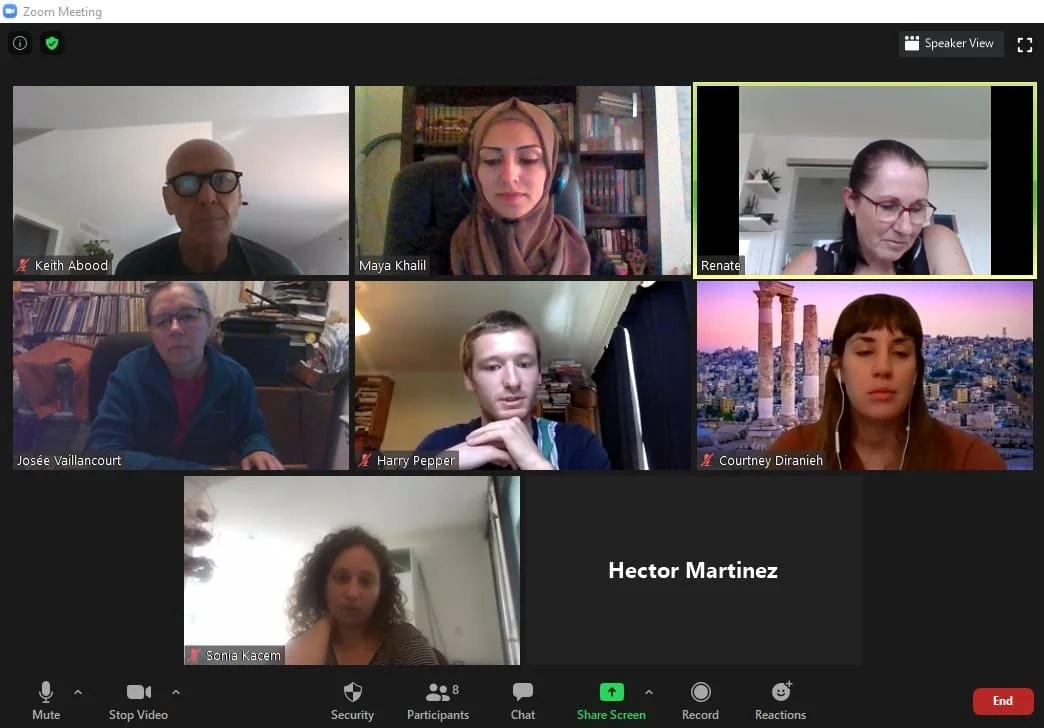
Structured group Programs (Fixed Schedule, online or in person)
Our academic year at Asrar begins in September and is divided into three trimesters:
Each trimester is made up of three terms. Most terms run for 4 weeks, while the final term of Trimester 1 runs for 6 weeks to close the year. Between trimesters, there are short breaks, giving students time to review, travel, or prepare for the next stage.
This structure offers both clarity and flexibility: students can join at the beginning of any term, follow the full trimester for steady progress, or commit to the entire year for the most consistent results.
-
Trimester 1 (2025)
Term 1: 01.09.25 - 26.09.25 (4 weeks)
Term 2: 06.10.25 - 31.10.25 (4 weeks)
Term 3: 03.11.25 - 11.12.25 (6 weeks)
Trimester 2 (2026)
Term 1: 05.01.26 - 30.01.26 (4 weeks)
Term 2: 02.02.26 - 27.02.26 (4 weeks)
Trimester 3 (2026)
Term 1: 02.03.26 - 27.03.26 (4 weeks)
Term 2: 06.04.26 - 01.05.26 (4 weeks)
Term 3: 04.05.26 - 29.05.26 (4 weeks)
If you also want to study during the summer time, send us a mail!
-
Light Program (evenings): 5 hours/week – €300 for 4-week term | €450 for 6-week term
Standard Program (mornings): 10 hours/week – €600 for 4-week term | €900 for 6-week term
Intensive Program (mornings): 20 hours/week – €1200 for 4-week term | €1800 for 6-week term
Please contact us directly for the exact dates and times. We will try to find the best solution for you!
Language options: Modern Standard Arabic (Fusha) or Levantine Dialect (Ammiya)
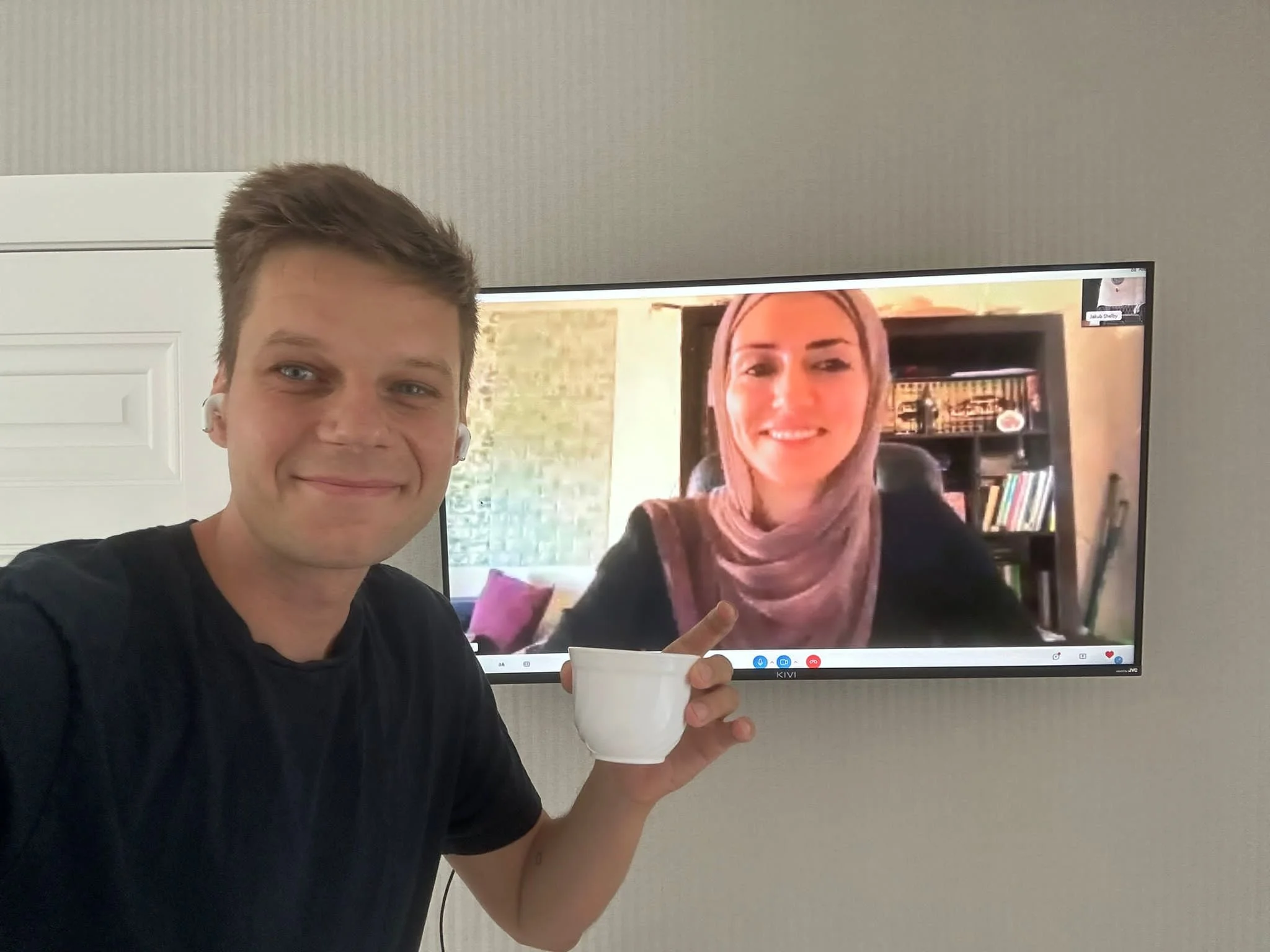
Private Classes (Flexible, online or in person)
Private lessons are tailored to your goals, whether you’re a beginner or preparing for advanced fluency. Choose the package that fits your needs — the more hours you book, the lower the hourly rate.
-
Pricing & Packages
Light Package: 5 hours total – €125 (€25/h)
Standard Package: 10 hours total – €240 (€24/h)
Intensive Package: 20 hours total – €440 (€22/h)
Extended Package: 30 hours total – €600 (€20/h)
These classes are flexible and can be scheduled depending on your availability.
Language options: Modern Standard Arabic (Fusha) or Levantine Dialect (Ammiya)
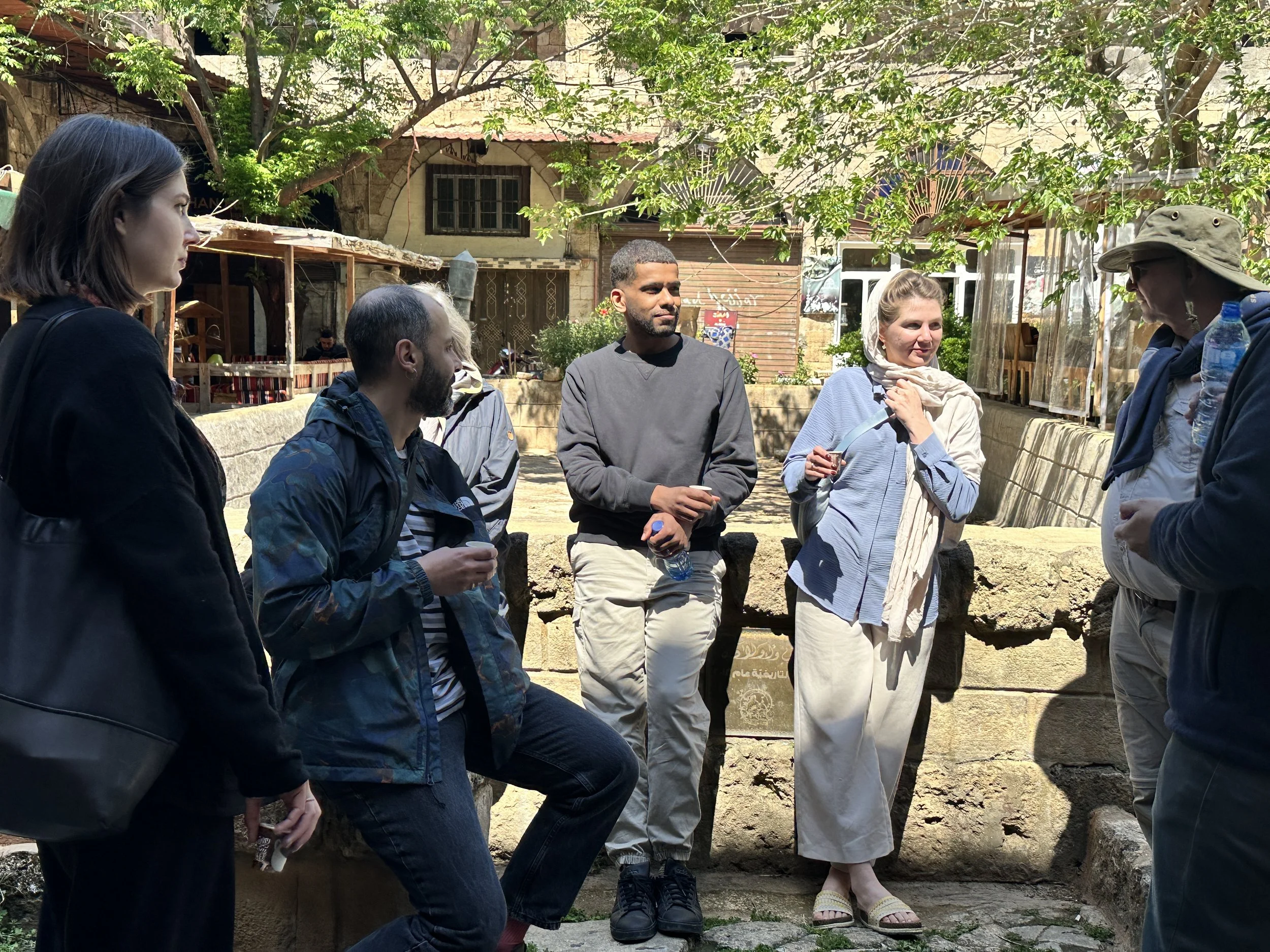
Group Classes (Flexible, online or in person)
Learn together in small groups with peers from around the world. Group lessons are interactive, dynamic, and perfect for those who learn best through discussion and practice.
-
Standard Package: 1.5 hours/week – €550 for 6 months
These classes are flexible and can be scheduled depending on your availability.
Language options: Modern Standard Arabic (Fusha) or Levantine Dialect (Ammiya)

Arabic for NGO Workers
This program is designed for professionals in the humanitarian and development fields who need Arabic for their daily work. Alongside building general language skills, the course introduces key terminology and concepts related to Gender-Based Violence (GBV), Child Protection Policies, War Crimes, and Refugee Rights under International Law. The aim is to equip NGO workers with the practical vocabulary and cultural understanding necessary to communicate effectively and operate confidently in Arabic-speaking contexts.
-
For this program, we create customized packages based on your goals, schedule, and organizational needs. Please contact us directly to discuss a tailored plan that works best for you or your group.
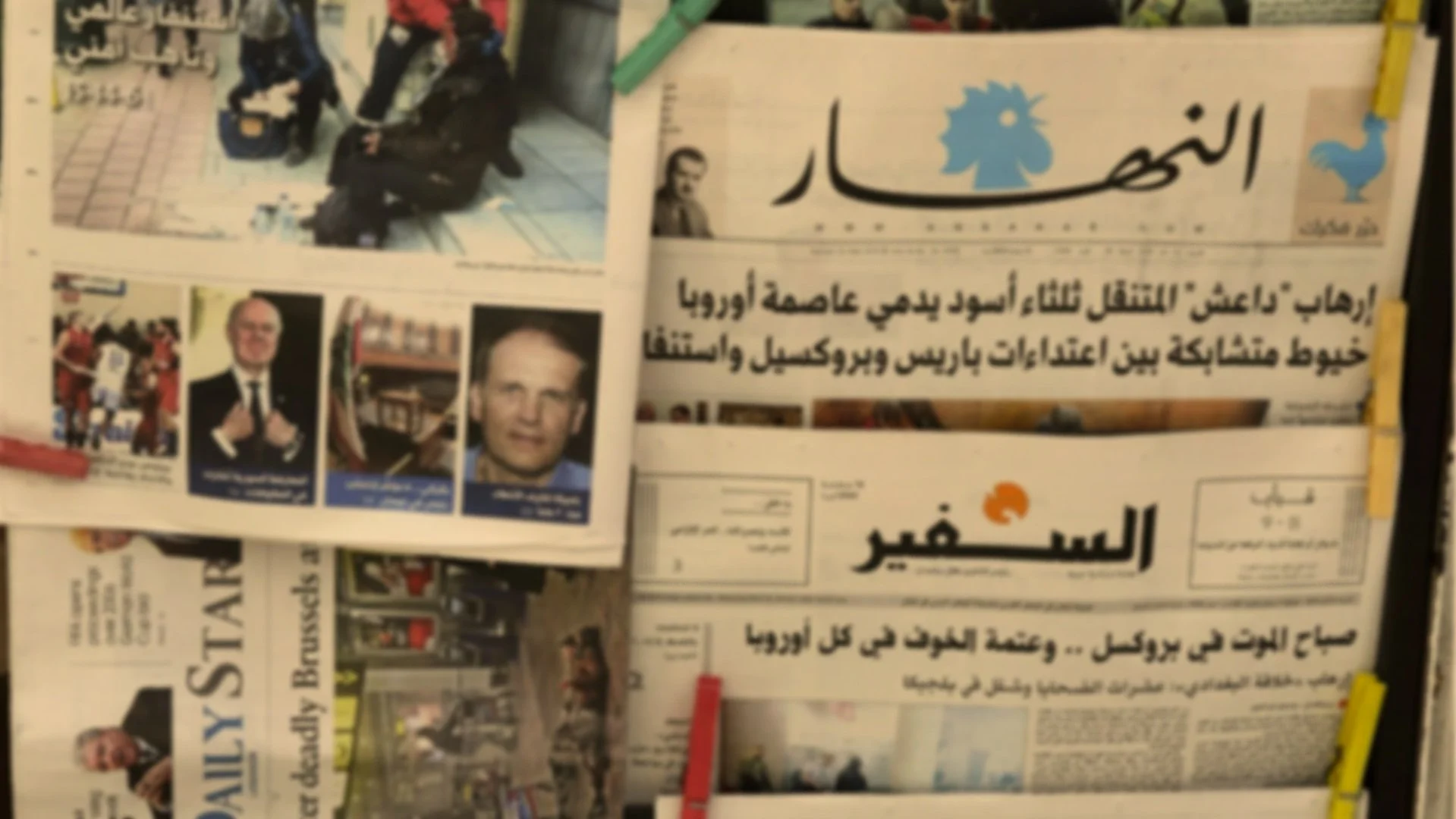
Political Arabic
This course is tailored for students, researchers, journalists, and professionals who need to engage with Arabic in political and media contexts. The program develops the language skills required to read and analyze news articles, speeches, and policy documents, while also focusing on the vocabulary of governance, diplomacy, and current affairs. By the end of the course, learners will be able to discuss political issues, follow regional debates, and interpret media discourse with greater confidence.
-
For this program, we create customized packages based on your goals, schedule, and organizational needs. Please contact us directly to discuss a tailored plan that works best for you or your group.
Book a free consultation
We offer a free initial chat to assess your level and needs, allowing us to tailor a solution specifically for you. We’ll prepare a proposal and guide you through every step of the process.